Maintenance Guide for Fully Automatic Touchless Car Wash Machines
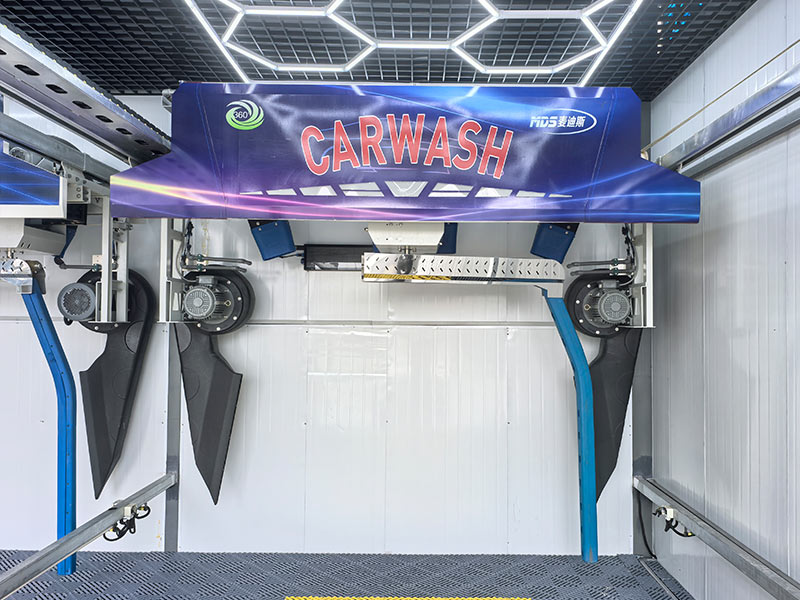
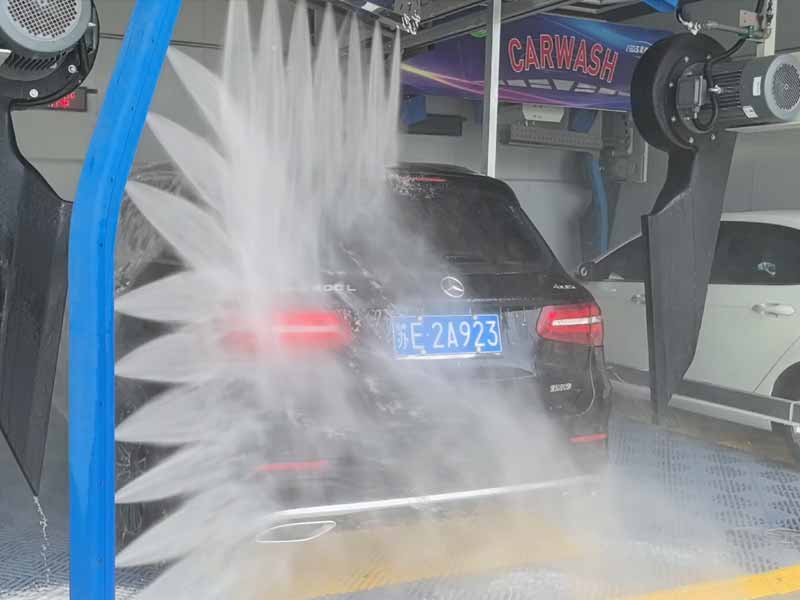
Fully automatic touchless car wash machines rely on high-pressure water jets, specialized detergents, and precise sensors to clean vehicles without brushes. Proper maintenance ensures consistent performance, longevity, and customer satisfaction. This guide covers daily, weekly, monthly, and seasonal tasks, as well as common troubleshooting steps.
1. Daily Maintenance
- Inspect nozzles and jets: Check for clogs or misalignment. Use a pin or compressed air to clear blockages. Ensure uniform spray patterns.
- Check chemical levels: Verify detergent, wax, and drying agent reservoirs are filled. Pre-mix solutions according to manufacturer instructions.
- Clean sensors and cameras: Wipe optical sensors, laser guides, and cameras with a soft cloth to prevent soap residue or dirt from causing detection errors.
- Test cycle: Run a full wash cycle on a test vehicle or without a car to check for unusual noises, leaks, or error codes.
2. Weekly Maintenance
- Inspect high-pressure pumps and hoses: Look for leaks, cracks, or worn seals. Tighten fittings and replace damaged parts immediately.
- Lubricate moving parts: Apply food-grade grease to conveyor chains, bearings, and pivot points. Avoid over-lubrication to prevent drips.
- Check water quality: Test water hardness and adjust water softener settings. Hard water can cause scaling on nozzles and surfaces.
- Examine drainage system: Clear debris from floor drains and sump pumps to prevent flooding. Ensure water recycling system, if equipped, is functioning.
3. Monthly Maintenance
- Descale water system: Use a descaling solution to remove mineral buildup from pipes, heaters, and nozzles. Flush system thoroughly afterward.
- Calibrate sensors: Use a calibration tool to ensure sensors accurately detect vehicle dimensions and position. Misaligned sensors cause incomplete washes or damage.
- Inspect electrical connections: Tighten loose wires, check for corrosion, and secure control panels. Clean fans and vents to prevent overheating.
- Replace filters: Change water inlet filters, chemical filters, and air filters on drying systems. Clogged filters reduce flow and efficiency.
4. Seasonal Maintenance
- Winterization: In cold climates, insulate exposed pipes, check antifreeze levels in wet systems, and ensure heaters are operational. Test freeze protection settings.
- Spring tune-up: After winter, inspect for frost damage, recalibrate sensors, and deep-clean the wash bay. Replace worn brushes (if any) or seals.
- Summer readiness: Verify cleaning chemical effectiveness in heat, as some detergents degrade. Clean evaporator coils and fans to avoid overheating.
5. Troubleshooting Common Issues
- Uneven spray pattern: Clean or replace clogged nozzles. Adjust pump pressure according to manufacturer specs.
- Vehicle not detected: Clean sensors, check alignment, and verify power supply to sensor modules.
- Excessive water usage: Inspect for leaks in hoses, valves, or pumps. Check for open bypass circuits.
- Poor drying results: Confirm air blower filters are clean, heating elements work, and drying agent dosage is correct.
6. Safety and Record Keeping
- Lockout/Tagout: Follow procedures when servicing electrical or mechanical components.
- Log all maintenance: Keep a daily log of inspections, cleanings, and repairs. This helps track performance and warranty claims.
- Train staff: Ensure operators know emergency shutdown steps and basic troubleshooting.
By following this maintenance schedule, your touchless car wash machine will deliver sparkling results year-round. Always refer to the manufacturer’s manual for model-specific recommendations. Regular upkeep reduces downtime and extends equipment life.